 911 Day of Mourning
Sep .11.2026
Today, September 11, 2026, marks the 25th anniversary of the terrorist attacks on the U.S. homeland.
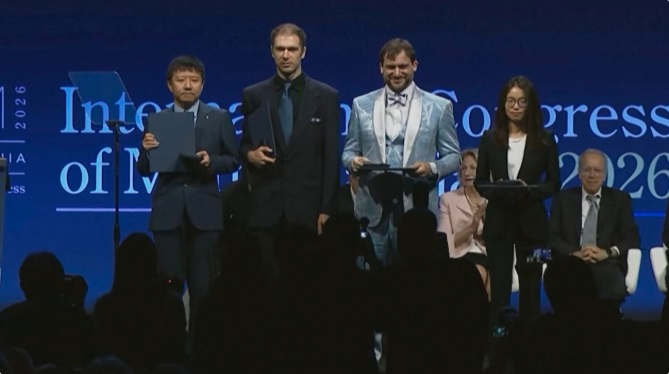 Chinese Mathematician Wins Fields Medal
Jul .24.2026
At the opening ceremony of the 2026 International Congress of Mathematicians held in Philadelphia, USA on the 23rd, Chinese mathematicians Deng Yu and Wang Hong were awarded the Fields Medal.
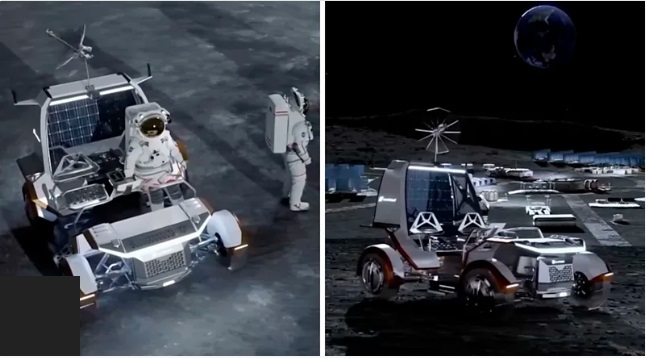 US-China Lunar Race
May .27.2026
NASA has released details of a series of equipment planned for transport to the moon, including robotic landers, bouncy drones (hybrid robots combining flight and ground-jumping mobility), and lunar rovers, all part of its plan to establish a lunar base.

 911 Day of Mourning
 Chinese Mathematician Wins Fields Medal
 US-China Lunar Race
 The Impact of the Strait of Hormuz Blockade on the Global Economy